
What to See at the Van Gogh Museum
From Sunflowers and The Bedroom to his haunting self-portraits and personal letters — everything worth seeing at the Van Gogh Museum, with practical tips for making the most of each floor.
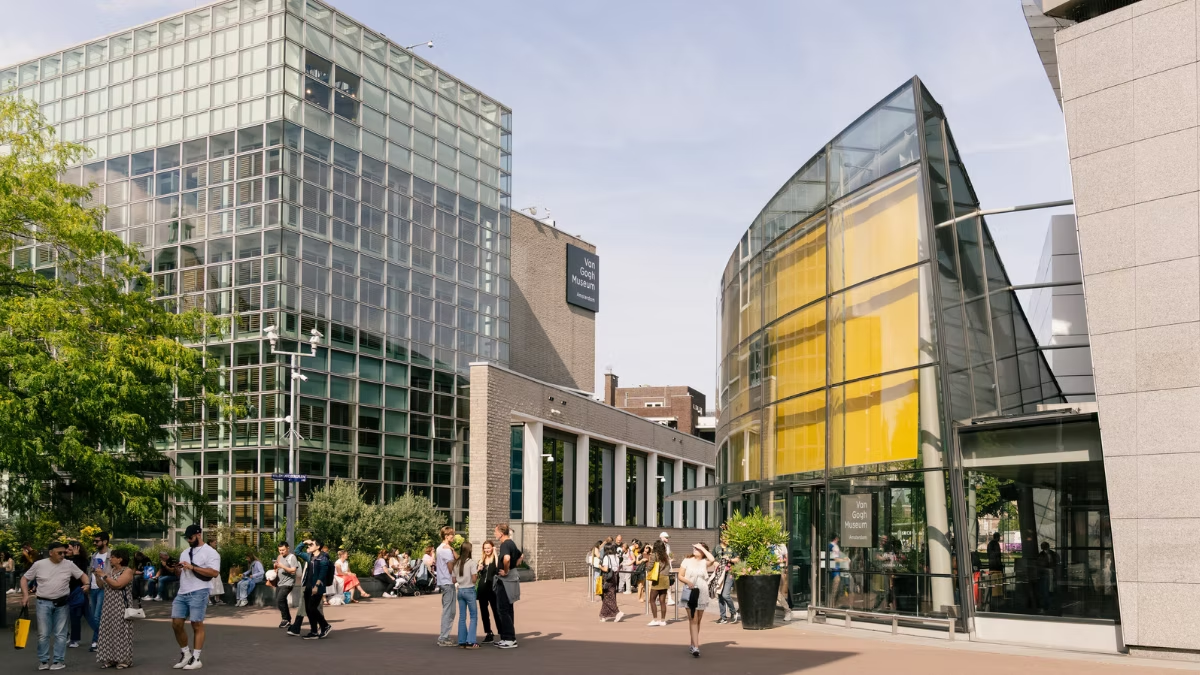
Top Highlights at the Van Gogh Museum
The headline sights and experiences most visitors want to see first.
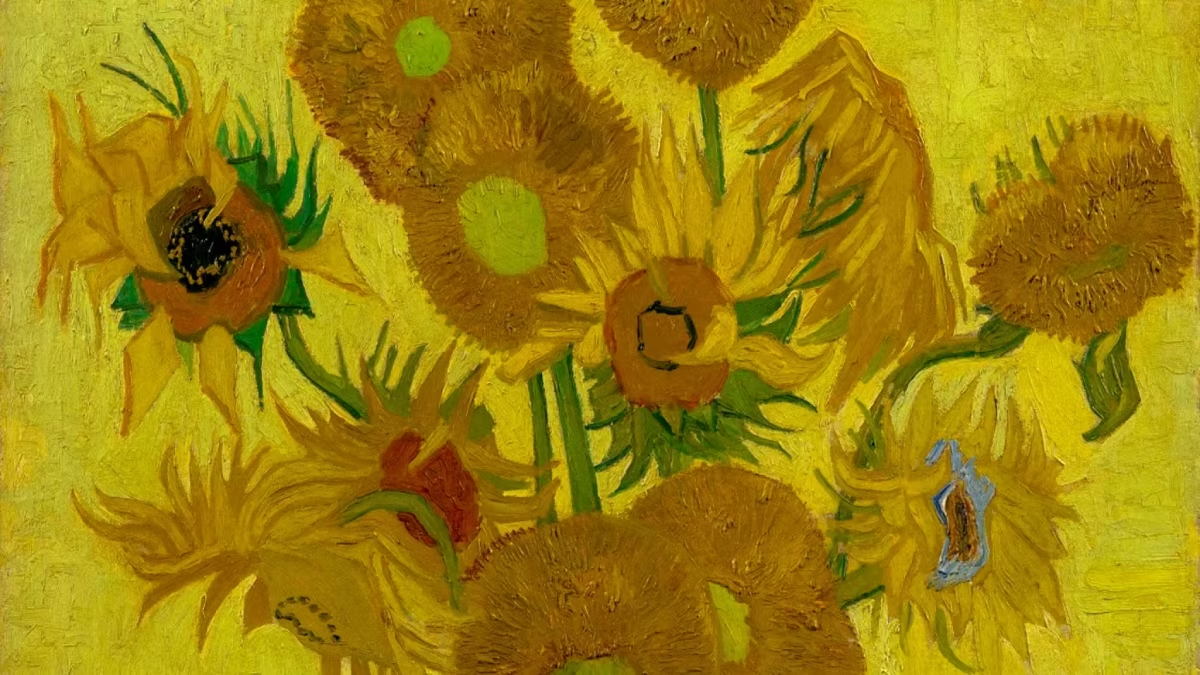
Sunflowers
The Sunflowers paintings represent Van Gogh at the peak of his Arles period. Learn the story behind each canvas, the bold yellows he obsessed over, and where the different versions now hang. This is one of five versions he painted and consistently the most photographed work in the museum — arrive early to see it without crowds.
Explore the Sunflowers →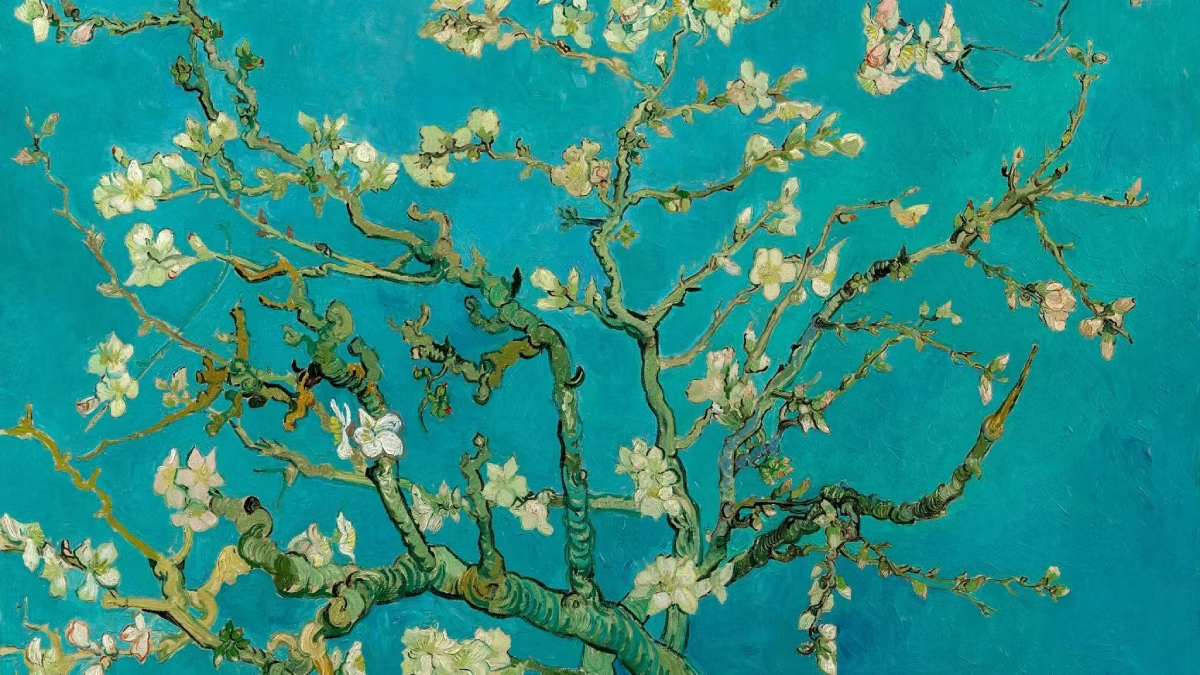
Almond Blossom
Painted to celebrate the birth of his nephew and namesake, Almond Blossom (1890) is one of Van Gogh’s most personally significant and beloved works.
Explore Almond Blossom →Museum Overview
Get oriented before your visit — understand the layout, the permanent collection, and what’s showing now.
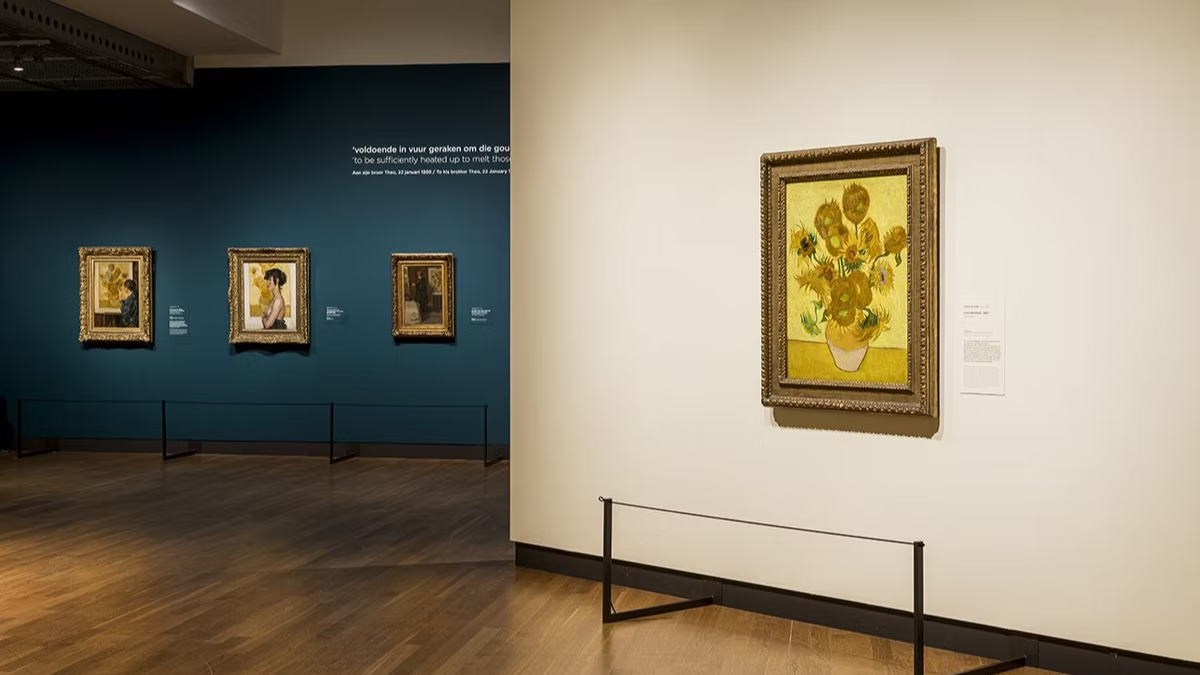
Must-See Paintings — Top 10
The ten paintings every visitor should prioritise, from Sunflowers and The Bedroom to lesser-known masterpieces that reveal Van Gogh’s full range.
Know more →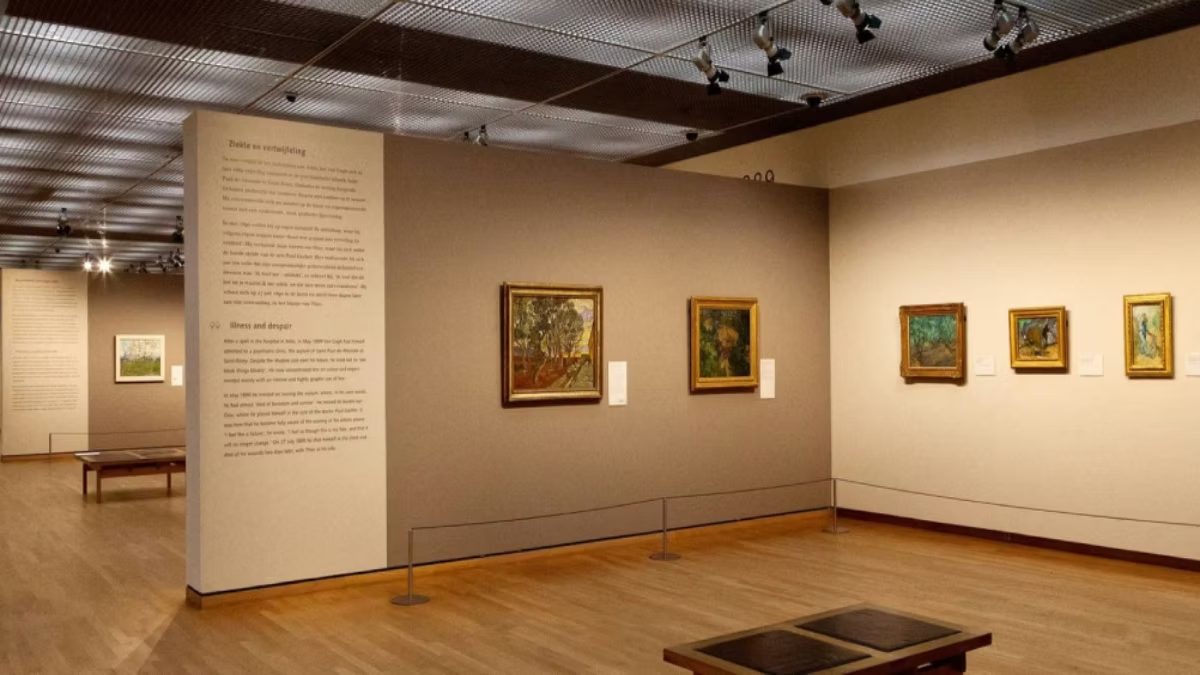
Permanent Collection — Floor by Floor
A chronological journey through Van Gogh’s life across three floors — from his dark Dutch beginnings to the vibrant final works in Auvers-sur-Oise.
Know more →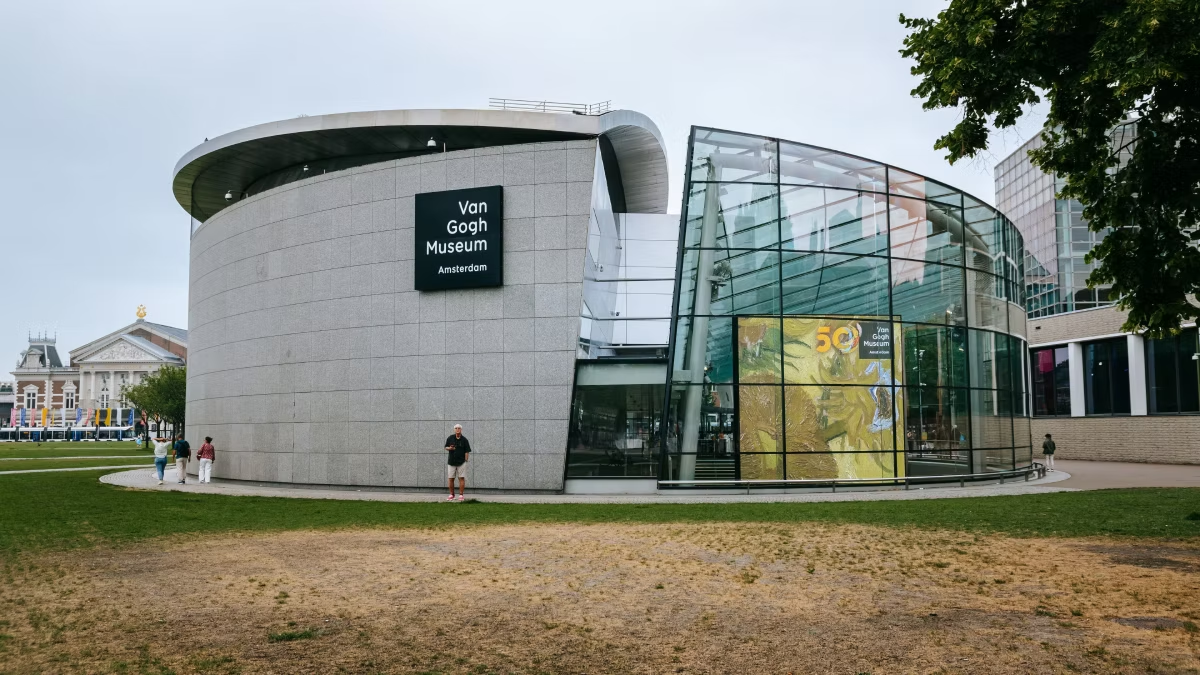
Temporary Exhibitions
Rotating exhibitions on the ground floor explore Van Gogh’s influences, contemporaries, and legacy — check what’s on before you visit.
Know more →Iconic Works
The paintings that define Van Gogh’s legacy and draw millions of visitors each year.
Sunflowers
One of five versions Van Gogh painted in Arles, this is the most visited Sunflowers canvas in the world. Discover the bold yellows he obsessed over and why he created them.
Read more →
Almond Blossom
Painted to celebrate the birth of his nephew and namesake, Almond Blossom (1890) is one of Van Gogh’s most personally significant and beloved works.
Read more →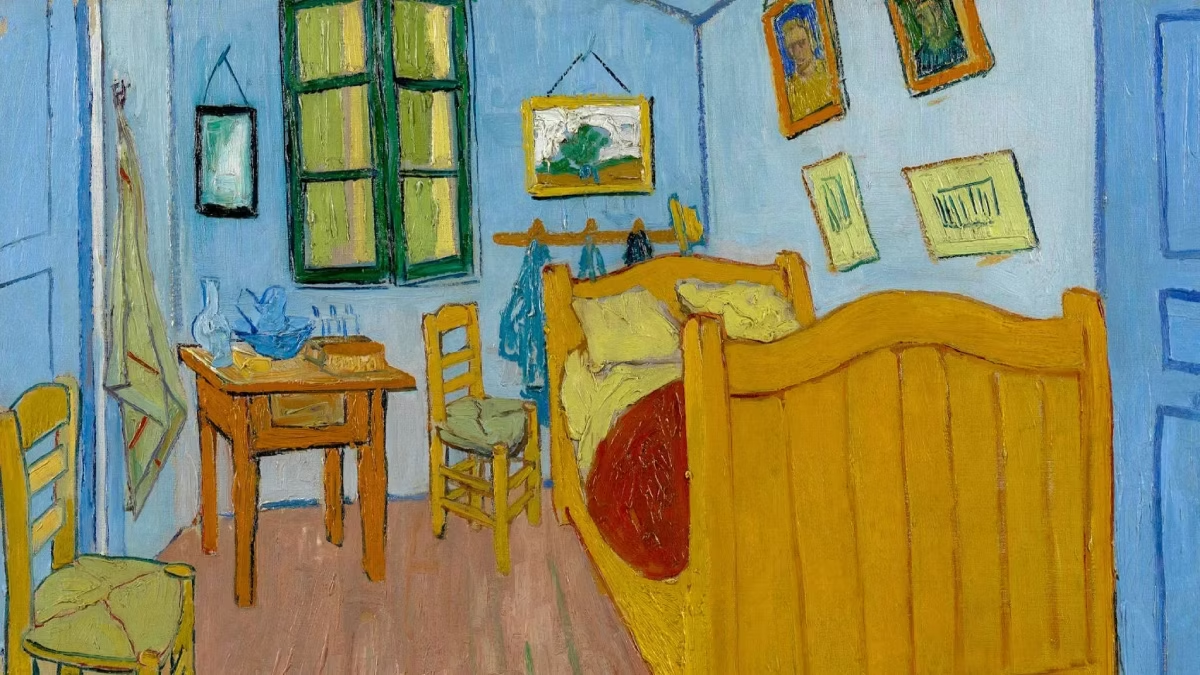
The Bedroom
Three versions exist of Van Gogh’s room in the Yellow House — Amsterdam holds two. Explore the meaning behind the tilted perspective and vivid colours.
Read more →The Artist
Beyond the famous canvases — Van Gogh’s self-portraits, letters, and personal story.
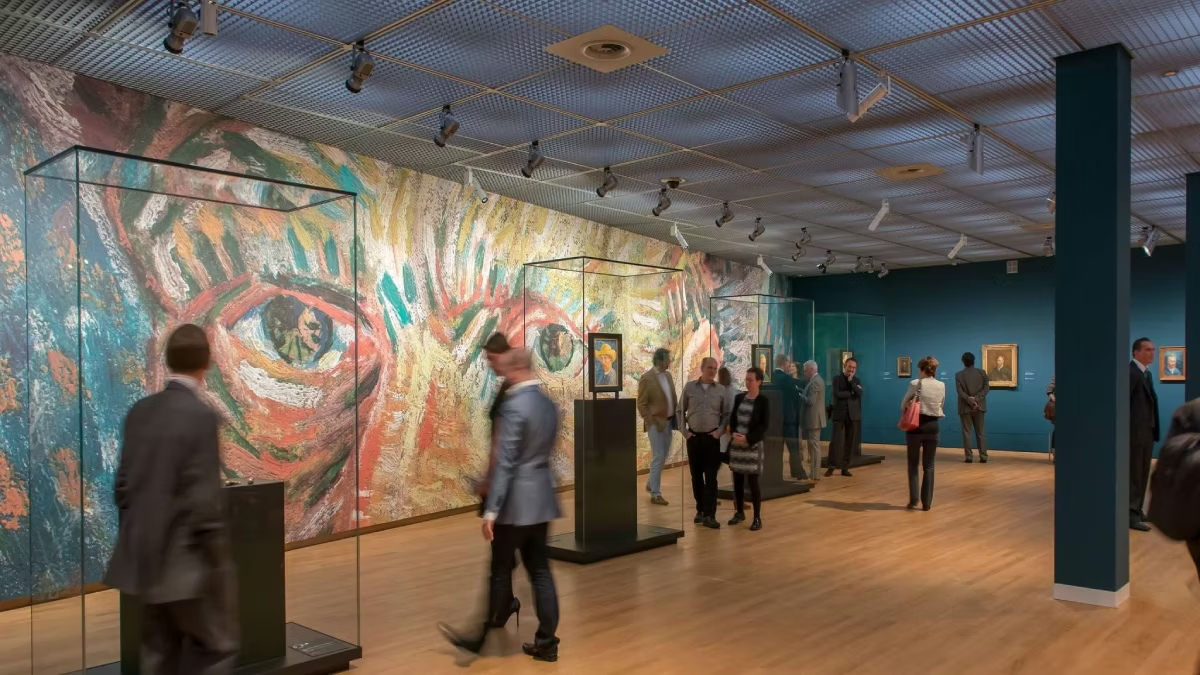
Van Gogh’s Self-Portraits
The museum holds the world’s largest collection of Van Gogh self-portraits, charting his evolution from sombre realism to bold Post-Impressionist colour and brushwork.
Read more →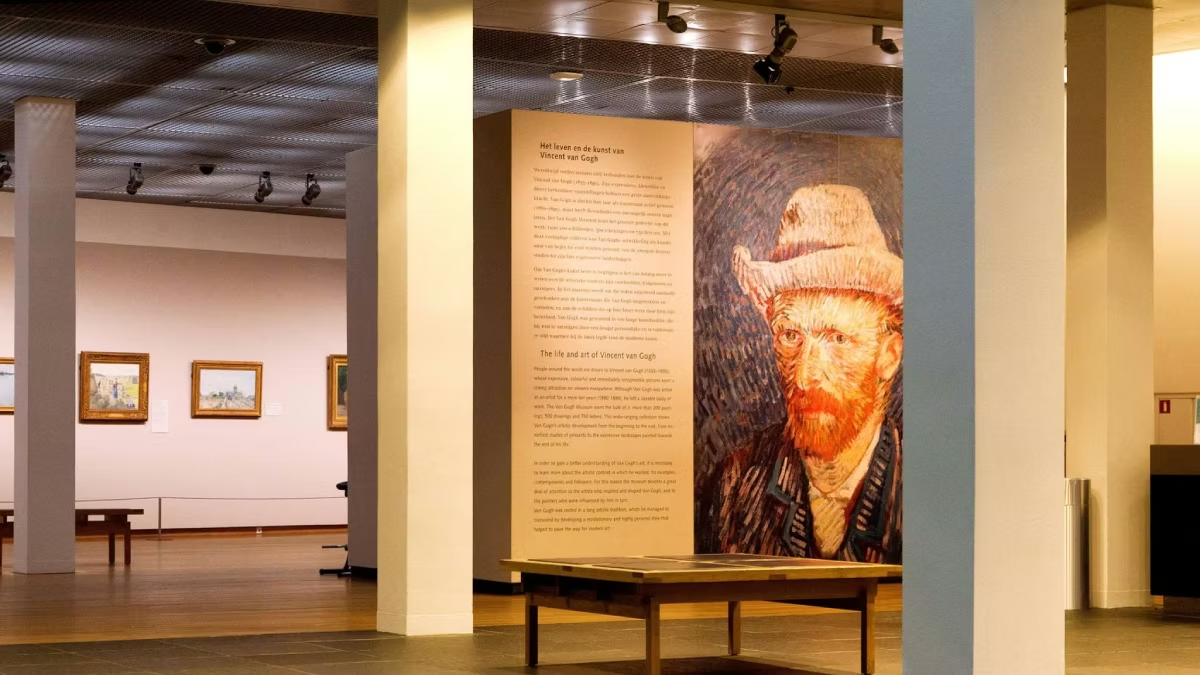
The Letters & Drawings
Van Gogh’s letters to his brother Theo offer intimate, unfiltered insight into his creative process, struggles, and ambitions — displayed alongside the works they describe.
Read more →How to Choose What to See
A quick guide based on your interests and visit style.
If you have limited time
- Head straight to the Sunflowers and The Bedroom — the most iconic canvases
- Skip the chronological audio guide; use the highlights map instead
- The ground floor permanent collection covers his peak output in under 90 minutes
- Arrive at opening time to avoid crowds near the most-photographed paintings
If you want deep context
- Start on the top floor with his early Dutch period — dark palette, rural subjects
- Read the letter excerpts displayed alongside paintings for unfiltered insight
- The multimedia ‘Van Gogh and Japan’ section explains his use of bold outlines and flat colour
- Allow 3+ hours and book a guided tour for curatorial commentary unavailable in the audio guide
If you’re visiting with children
- Pick up the free children’s activity kit at the entrance desk
- The Colours & Brushstrokes interactive zone on level 2 lets kids experiment with Van Gogh’s techniques
- Stick to the permanent collection — temporary exhibitions are text-heavy and less engaging for children
- The museum café has outdoor seating; plan a mid-visit break to reset energy levels
If you’re visiting during peak season
- Book timed-entry tickets at least 2 weeks in advance — walk-up entry is rarely available July–August
- The first slot (9:00) and last slot (closing minus 2 hours) are consistently the least crowded
- Temporary exhibitions often have shorter waits than the permanent collection rooms
- Check the museum’s crowd calendar; Tuesdays and Wednesday mornings are historically quieter
Continue Exploring the Van Gogh Museum
Book your tickets and plan the practical details of your visit.
Van Gogh Museum Tickets & Tours
Compare entry tickets, guided tours, private tours, and combo experiences.
Explore ticket options →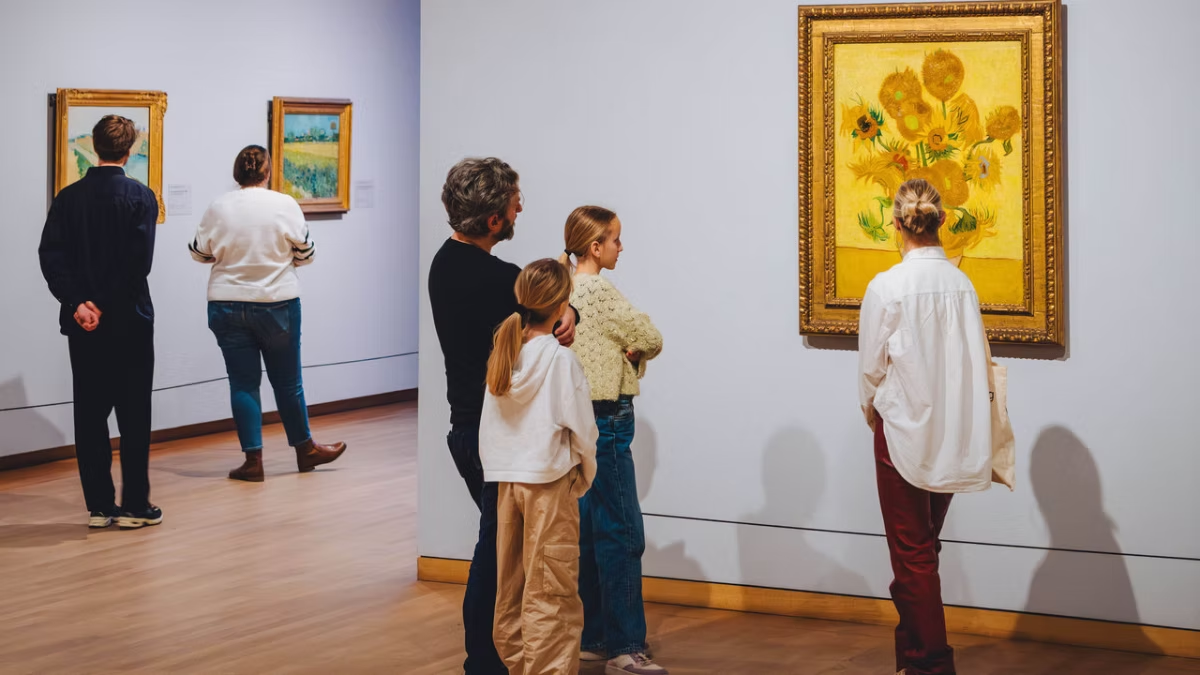
Plan Your Visit to the Van Gogh Museum
Opening hours, getting there, tips, and what to expect at the museum.
Explore planning guides →Frequently Asked Questions
Common questions about what to see and prioritise at the Van Gogh Museum.